Key facts: Fruitdale
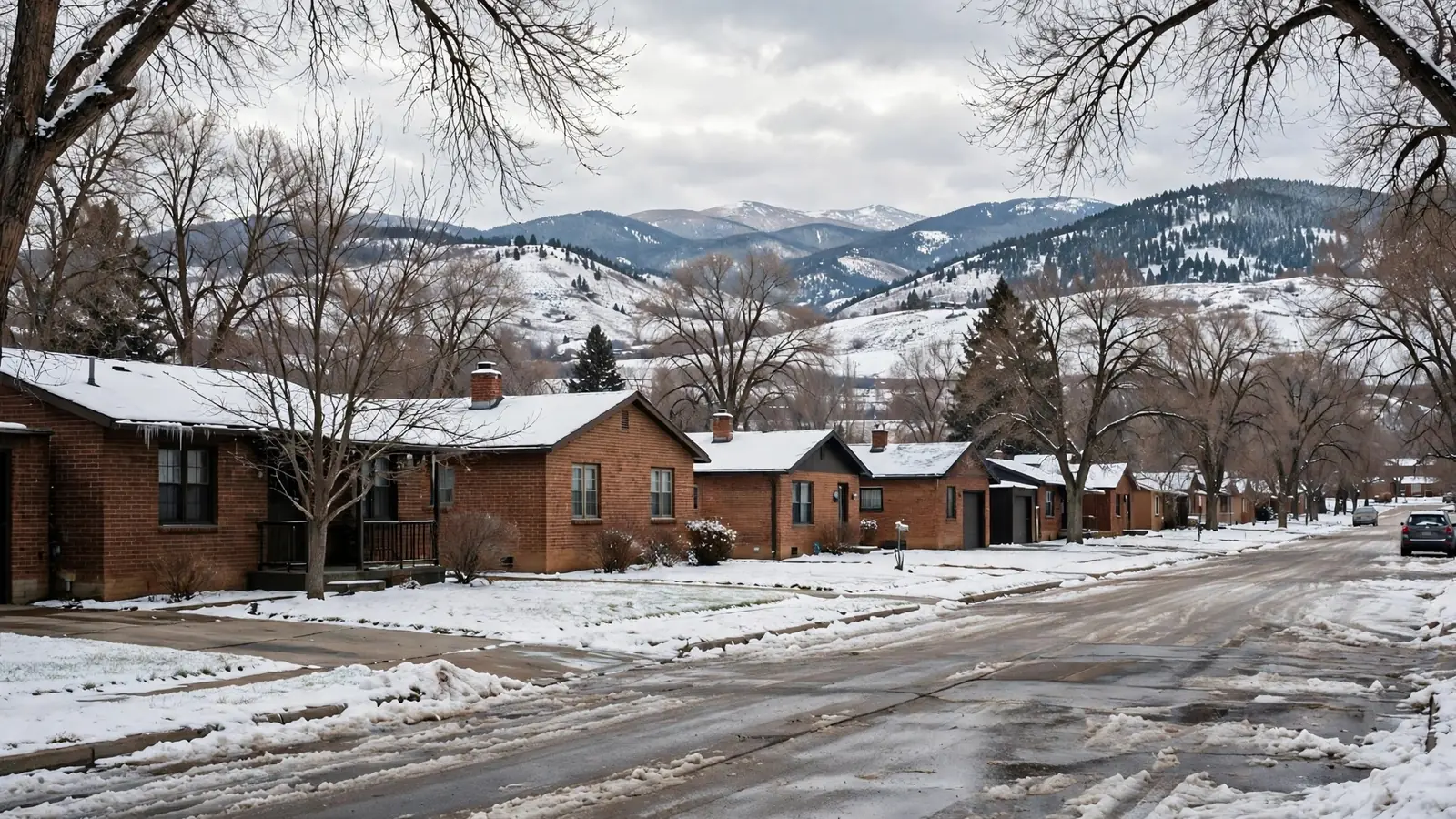
- Fruitdale is a neighborhood in northwest Wheat Ridge whose name recalls the orchards that once grew in the area.
- Interstate 70 forms the northern and western edges of the Fruitdale neighborhood.
- Most Fruitdale housing is single-family, with many ranch-style homes built in the mid-20th century.
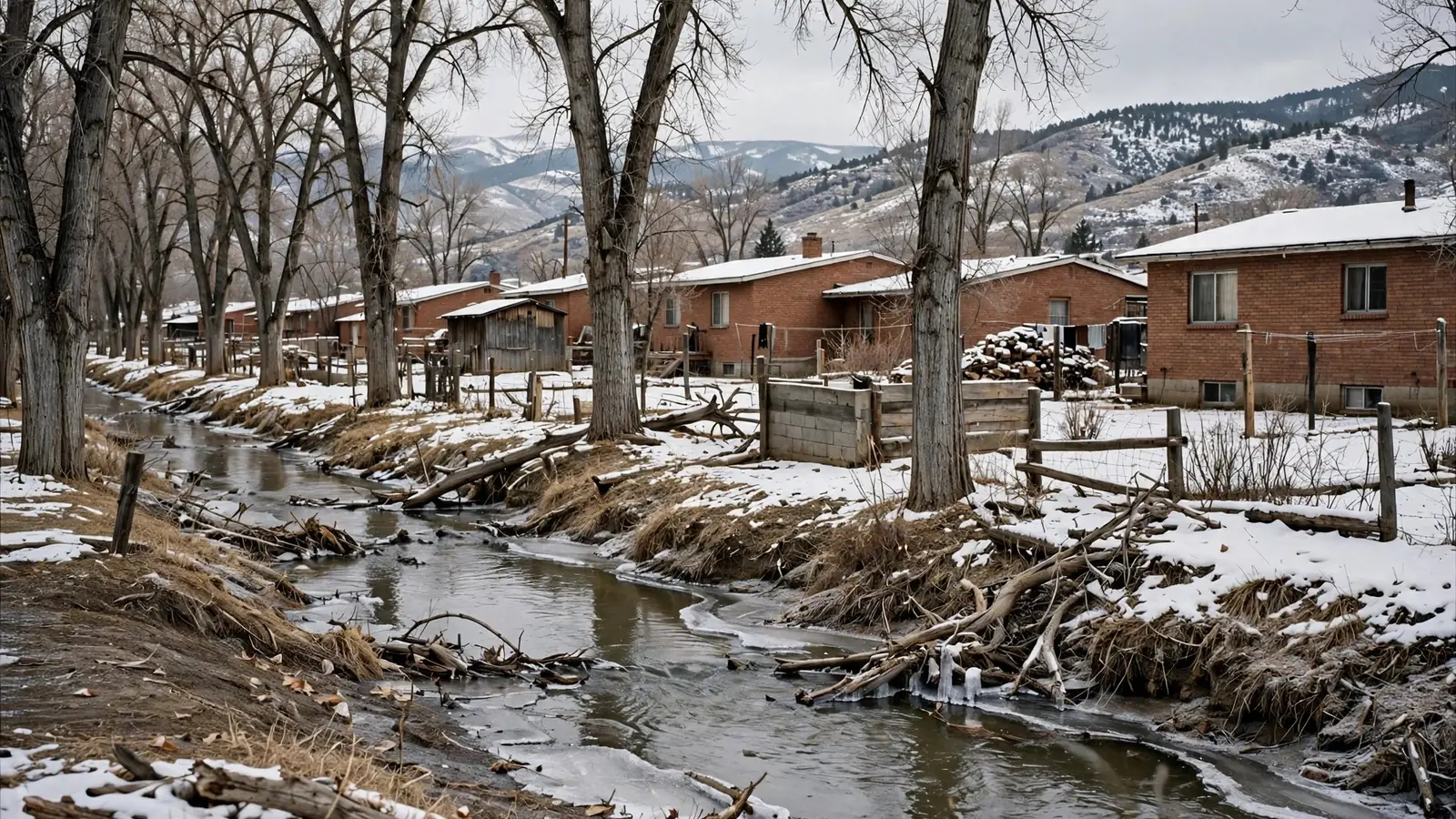
- Irrigation ditches that once watered orchards and farms still run through parts of Wheat Ridge.
- The covered ZIP code for Fruitdale on this site is 80033.
Covered area
Fruitdale ZIP code on this line
Fruitdale households north of 44th Avenue can call this line and be connected with an independent restoration contractor in the area.
- 80033Fruitdale and the surrounding blocks of northwest Wheat Ridge, south and east of I-70.
Fruitdale background
From orchards to ranch homes in Fruitdale
Before Wheat Ridge was a city, the land north of what is now 44th Avenue was farmland and fruit orchards watered by a network of ditches drawing from Clear Creek. As Denver grew after the Second World War, the orchards gave way to subdivisions of single-storey homes. Many of those houses, built from the 1950s into the 1970s, are still the heart of the neighborhood, joined over time by newer infill homes.
Lots in Fruitdale tend to be larger than in the older blocks closer to Denver, and many homes have deep backyards, detached garages or workshops. Some lots still border irrigation ditches, and cottonwoods and willows grow along them. Interstate 70 curves along the north and west edges, which gives the neighborhood a defined boundary and some traffic noise but also separates it from the creek corridor beyond.
Fruitdale houses
Fruitdale home features that shape water damage
Full basements under ranches
Most living space can be on one floor plus a basement, which is where water ends up.
Basements finished in stages
Paneling, drywall, carpet and drop ceilings from different decades.
Longer runs on bigger lots
Water service lines and sewer laterals may be longer than in tight city blocks.
Detached garages and shops
Outbuildings with their own water lines that can freeze.
Irrigation ditches nearby
Ditch water and high groundwater in summer on some lots.
Mature trees
Roots near sewer laterals and foundation drains.
Ditches
Irrigation ditches and groundwater in Fruitdale
Colorado's irrigation ditches deliver water to shareholders during the growing season, typically from spring into early fall. When a ditch is running, soil nearby can stay wetter, and homes close to a ditch may see higher groundwater around their foundations. A basement that is dry in winter may show seepage in summer for this reason.
Ditch problems can also cause sudden water damage. A breach, a blocked culvert or a headgate left open can send water across yards and into window wells. If water enters your basement from the direction of a ditch, photograph it and contact the ditch company that operates it as well as your insurer. Water from a ditch is outside surface water, so it is usually treated as a flood for cleanup and insurance purposes.
For cleanup, ditch water is handled like other outside water: it carries soil and may carry agricultural runoff, so porous materials it soaked are usually removed rather than dried.
Fruitdale clues
Fruitdale water damage signs and likely causes
| What you see | Possible cause | What to ask |
|---|---|---|
| Seepage at the base of a basement wall in summer | High groundwater near a ditch or poor drainage | Is this a seasonal groundwater issue? |
| Water in a window well after watering | Sprinklers or ditch water draining toward the house | Can the grading or sprinklers be changed? |
| Wet carpet near the laundry | Washing machine hose or drain | Should the hose be replaced? |
| Sewage at the floor drain | Root-blocked lateral | Is a camera inspection needed? |
| Burst pipe in the garage or shop | Freeze in an unheated outbuilding | Can that line be drained in winter? |
Basements
Finished basements in Fruitdale ranches
A typical Fruitdale ranch has a full basement under the whole house, and over the years owners have turned it into bedrooms, a family room, a bar or a home office. Because the basement was finished in stages, the materials vary: wood paneling over furring strips in one room, drywall with fiberglass batts in another, carpet glued to concrete in a third, vinyl tile in the laundry.
When water gets in, each of those surfaces behaves differently. Paneling can hide wet insulation and mold. Glued carpet traps water against the slab. Old vinyl floor tiles may contain asbestos and should not be torn out without testing. A contractor needs to look closely at how each room was built before deciding what to remove and what to dry.
Outbuildings
Detached garages, workshops and sheds in Fruitdale
Bigger lots mean more outbuildings, and some of them have plumbing: a utility sink in a workshop, a hose bib on a detached garage, a line to a greenhouse or a backyard studio. These lines are often shallow and lightly insulated, and outbuildings are rarely heated enough to keep them from freezing. A burst line in a shop can run for days if nobody goes out there.
If you have plumbing in an outbuilding, know where its shutoff is and consider draining the line in late fall. A small heater or heat cable may help where water must stay on. After a burst, the cleanup usually involves the concrete floor, drywall or paneling at the base of the walls and whatever was stored on the floor.
Contractor checklist
What a contractor should check in a Fruitdale home
- 1
Find the source
Plumbing, appliance, groundwater, ditch or sewer; each leads to a different plan.
- 2
Map each basement room
Note how each room was finished and what is behind the walls.
- 3
Check the slab
Read moisture across the floor, including under carpet and furniture.
- 4
Look at drainage outside
Grading, downspouts, window wells and nearby ditches.
- 5
Identify older materials
Floor tile, mastic and pipe insulation that may need testing.
- 6
Check outbuildings
If they have plumbing, look for freeze damage too.
Sprinklers
Lawn sprinklers and foundation moisture
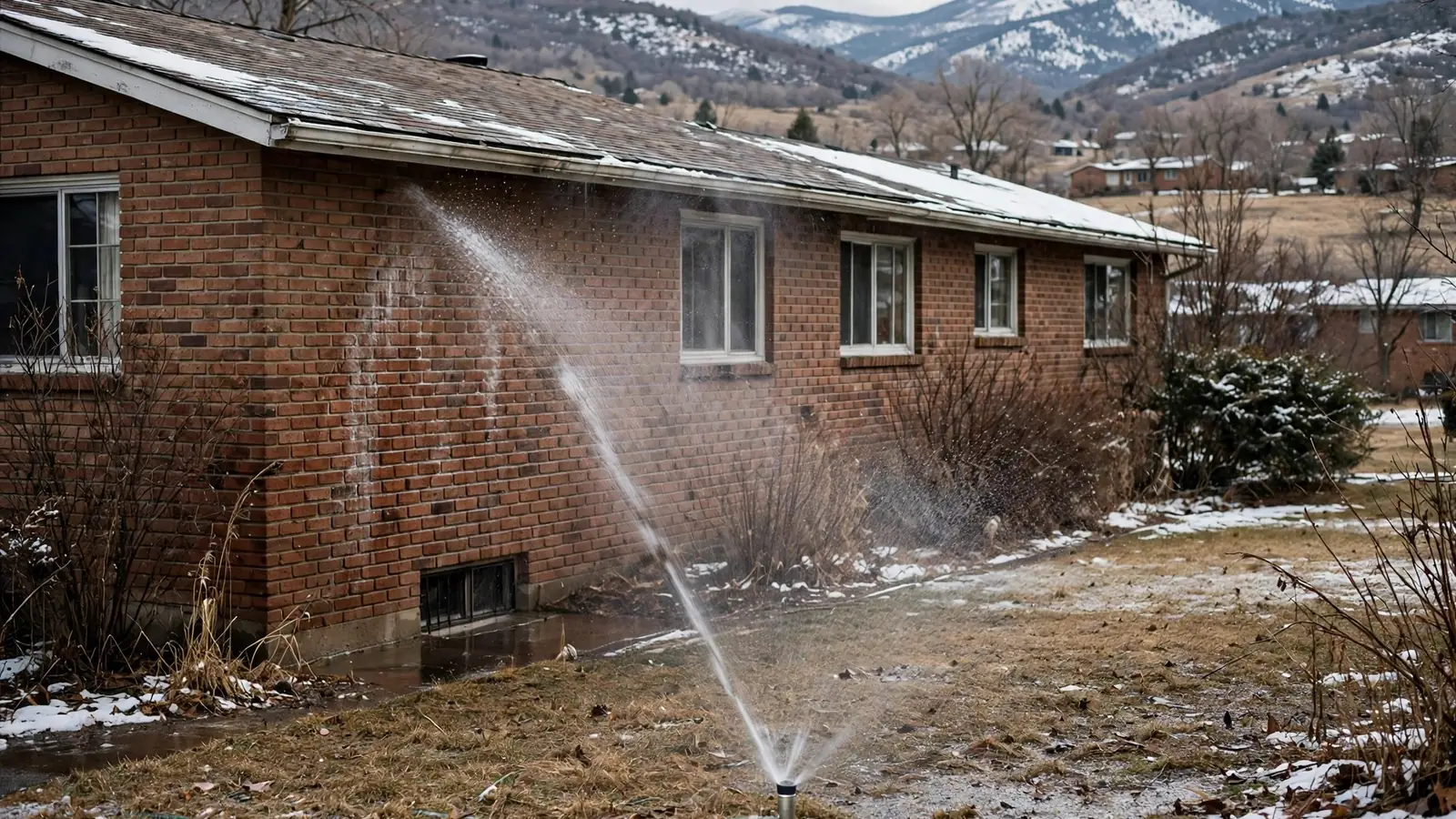
Many Fruitdale yards are big and green, and that means automatic sprinkler systems. A sprinkler head aimed at the house, a broken line near the foundation, or a system that waters too long can keep the soil against the basement wall saturated all summer. That moisture finds cracks and joints and shows up as damp spots, efflorescence or musty smells inside.
If the basement gets damp in summer but not in winter, look at irrigation before assuming groundwater. Adjusting heads, fixing broken lines and keeping a dry strip next to the foundation can make a big difference.
- Aim heads away from the house
- Check for broken lines near foundations
- Water early in the morning
Winter
Cold snaps and frozen pipes in Fruitdale
Ranch homes with long exterior walls and basements with rim joists exposed in storage rooms give pipes plenty of chances to freeze. Hose bibs on the north side of the house, lines to outbuildings and pipes near basement windows are the usual suspects. The worst damage often appears when the pipe thaws in the afternoon after a cold night.
Keep the heat on, open cabinet doors on exterior walls, disconnect garden hoses and drain outdoor lines before winter. If you travel, ask someone to check the house daily during a cold snap, or shut off the main water and drain the lines.
Fruitdale seasons
How the time of year shapes a Fruitdale water job
| Season | Typical issue | What helps |
|---|---|---|
| Winter | Burst pipes in exterior walls and outbuildings | Heat, insulation, drained outdoor lines |
| Spring | Snowmelt and early storms against foundations | Clear window wells and extend downspouts |
| Summer | Irrigation and ditch-related seepage, storms | Adjust sprinklers, check grading |
| Fall | Leaves in gutters, sprinkler blowouts | Clean gutters, winterize the system |
Sewer
Sewer backups in Fruitdale basements
Fruitdale's mid-century homes often have sewer laterals of clay or early plastic, running from the house to the main under the street. On larger lots those laterals can be long, with more joints for roots to find. A backup usually shows first at the basement floor drain or a basement toilet.
Sewage cleanup in a finished Fruitdale basement means removing contaminated carpet, pad, lower drywall and soft furniture, then cleaning and disinfecting. Have the line cleared and inspected before rebuilding. Different special districts provide sewer service in different parts of Wheat Ridge, so check your bill to see which one serves your address if you think the main is the problem.
Mold
Mold behind basement paneling
Older paneled basements can hide moisture for a long time. Paneling is thin and often installed over furring strips nailed to the foundation, sometimes with insulation and plastic sheeting behind. If water gets behind it, there is little air movement to dry it, and mold can grow on the back of the paneling and the wood strips without showing on the face.
If your basement smells musty after a water event, or the bottom of the paneling is stained or soft, it is worth having it opened up and checked. The EPA advises that mold cleanup over a large area be handled by people experienced with it.
Prevention
Lowering water risk in a Fruitdale home
- Drain outbuilding lines in fallShops and garages are the most common freeze points.
- Check sprinkler coverageKeep spray off the foundation.
- Extend downspoutsDischarge water several feet from the house.
- Camera the sewer lateralLong laterals and mature trees are a common mix.
- Replace washing machine hosesUse braided stainless hoses and check them yearly.
Insurance
Fruitdale water losses and insurance questions
The cause of water damage decides which coverage applies. A burst pipe inside the house is usually covered by homeowners insurance if it was sudden. A sewer backup usually needs a water backup endorsement. Water from an irrigation ditch or from storm runoff is generally treated as flood, which needs flood insurance through the National Flood Insurance Program or a private insurer. [6] Groundwater seepage is often excluded.
Because of that, record exactly how water entered, with photos and video, and keep any plumber's or ditch company's report. Our guide to working with your insurance adjuster has more on how to present a claim.
On your call
Questions Fruitdale homeowners find useful
- How will you handle each finished room?Paneling, drywall and glued carpet need different approaches.
- Will you check behind the paneling?Hidden moisture is common in older finishes.
- Is my seepage a drainage problem?A contractor can suggest whether grading, sprinklers or groundwater is to blame.
- Do you need to test the floor tiles?Ask before any old flooring is removed.
- Can you look at my workshop too?If it has plumbing, include it in the inspection.
Infill homes
Newer infill houses in Fruitdale
Alongside the original ranches, Fruitdale has newer houses built on split lots or where older homes were torn down. These tend to be two storeys with basements built to more recent standards: poured concrete walls, perimeter drains, sump pits and plastic plumbing. They avoid some of the older homes' problems but have their own. Upstairs laundry rooms, for example, send water down through ceilings when a hose or drain fails, and a sump pump that stops working can flood a modern basement just as thoroughly as an old one.
For a contractor, the key difference is knowing what is behind the walls and under the floors. A newer home may have spray foam, engineered floor joists or a vapor barrier under the slab, all of which affect how drying is planned.
Sump pumps
Sump pumps in Fruitdale basements
Where a house has a sump pump, it is the main defense against groundwater, and it fails at the worst time: during a storm, when the power goes out, or after years of quiet service when nobody has tested it. A failed pump lets water rise in the pit and spread across the basement floor.
Test the pump each spring by pouring water into the pit until the float lifts. Check that the discharge pipe carries water well away from the house and is not frozen in winter. A battery backup or water-powered backup can keep things dry during a power cut. If the pump has failed and the basement is wet, the cleanup is usually handled as clean or gray water, depending on how long it sat.
Fruitdale property types
Common Fruitdale homes and their usual weak points
| Home type | Usual weak point | Typical complication |
|---|---|---|
| 1950s brick ranch | Galvanized lines, clay lateral | Finished basement in several stages |
| 1960s to 1970s ranch | Washing machine, water heater | Paneling over furring strips |
| Bi-level or split-level | Lower level partly below grade | Window wells at living-room level |
| Newer infill two-storey | Upstairs laundry, sump pump | Engineered floors, spray foam |
| Home with detached shop | Freeze in the outbuilding | Leak unnoticed for days |
Bi-levels
Bi-level and split-level houses
Some Fruitdale streets include bi-level and split-level homes from the 1960s and 1970s, where the lower level is partly below grade with large windows in window wells. These lower levels are often the family room and bedrooms, so a window well flood or a groundwater problem affects everyday living space. Water often enters at the windows rather than through the floor, then runs down the wall and across the carpet.
Drying a bi-level lower level is similar to a basement, but the walls are part below grade and part above, so moisture readings can vary sharply around the room. Window well drainage is the first thing to check afterwards.
Fruitdale week one
How the first days usually go in a Fruitdale basement
- 1
Day 1
Source stopped, water extracted, contents sorted, glued carpet and wet pad pulled where needed.
- 2
Day 1 to 2
Paneling and drywall opened where readings show water behind; old tile assessed before removal.
- 3
Days 2 to 5
Dehumidifiers run with the basement closed; slab readings tracked daily.
- 4
Days 5 to 7
Outside cause addressed: sprinklers adjusted, downspouts extended or the sump repaired.
- 5
After drying
Rebuild planned with finishes better suited to a below-grade space.
Highway edge
Living next to I-70
Homes along the I-70 edge of Fruitdale sit near large highway drainage structures, sound walls and embankments. Heavy storms can send runoff along these features, and backyard drainage near the highway may behave differently from the rest of the street. If water reaches your home from the direction of the highway right-of-way, document it carefully, because the source matters for both cleanup and insurance.
Owners near the highway also report more dust, which settles in window wells and gutters. Cleaning both a little more often than usual keeps drainage working.
Downsizing
Older owners and long-held homes
Fruitdale has many long-time residents in homes they have owned for decades. A water loss can be particularly hard for an older owner living alone: moving furniture, sorting a basement full of memories and coordinating trades is a lot to handle. Family members can help by being present during the first visit, keeping the list of damaged items, and making sure the owner understands each decision before signing.
Contents
Basement storage and keepsakes in Fruitdale homes
Long-owned homes collect decades of belongings, and much of it lives in the basement: holiday decorations, family papers, tools, photographs and furniture waiting for a use. When water arrives, the cardboard boxes on the floor absorb it first. Lift what you can onto shelves or upstairs, and photograph boxes before opening them.
Wet photographs and documents can be frozen in a household freezer to stop further damage until a specialist can dry them. Keep a list of what was lost, with rough ages, for your insurer. Going forward, plastic bins on shelving at least a few inches off the floor protect stored items from the next small leak.
Fruitdale access
Long driveways and big yards on Fruitdale lots
Larger Fruitdale lots usually make restoration logistics easier, with room for equipment and a dumpster in the driveway. The exception is a basement whose only entrance is an interior stair at the far end of the house, which means carrying wet carpet and drywall through finished rooms. Contractors protect floors along that path with runners and plastic. If your basement has an outside entrance, mention it on the call; it makes removal faster and cleaner.
FAQ
Fruitdale water damage questions
Does this line serve Fruitdale?
Yes. Fruitdale lies in ZIP 80033, so calls from the neighborhood can be connected to an independent contractor.
My basement only gets damp in summer. Why?
Irrigation, sprinklers and nearby ditches can raise soil moisture in summer. A contractor can help identify the source.
Is ditch water treated like flood water?
Usually, yes. It is outside surface water and can carry soil and runoff.
Can paneling be dried?
Sometimes, if the water was clean and recent. If insulation behind it got wet, it usually comes off.
What should I do if my workshop pipe burst?
Shut off the line or the main, remove water and call for help with drying.
Will my insurer cover sewer backup?
Only if your policy includes water backup coverage. Ask your agent.
Are emergency calls taken at night?
Yes. A burst pipe in a Fruitdale workshop at 2 a.m. is exactly the kind of call this line takes, and it is connected to an independent contractor.