Skip to content
Water DamageRestoration Wheat Ridge

Guide

Hidden Moisture Behind Wallssigns, causes and how it is found

Not all water damage announces itself. A slow drip from a shower valve, a pinhole leak in a supply line or a toilet seal that weeps a little with every flush can wet the inside of a wall or floor for months before anything shows. By then framing, insulation and drywall may be soaked, and mold may have started. This guide explains the warning signs and how hidden moisture is found. Call and you are connected with an independent local contractor who can talk through what you are noticing on that call.

Call NowNumber coming soon

Call-in only. Your call connects to an independent contractor.

  • Musty smell with no visible water
  • Paint bubbling or peeling
  • Soft or stained drywall
  • Rising water bill

Key facts: Hidden moisture behind walls

  • Slow leaks inside walls can go unnoticed for weeks or months.
  • Moisture meters measure water in drywall and wood; thermal cameras show temperature differences that can indicate moisture.
  • A thermal image alone does not prove moisture; readings confirm it.
  • The EPA notes that mold can grow on damp building materials, and controlling moisture is the key to controlling mold.
  • Many insurance policies treat long-term, gradual leaks differently from sudden water damage.
Signs

Warning signs of hidden moisture

  • Musty or earthy smell

    Often the first clue, strongest near the wet area and in closed rooms.

  • Bubbling or peeling paint

    Moisture behind paint pushes it away from the wall.

  • Soft or crumbly drywall

    Press gently near the base of a wall or around a tub.

  • Stains that come back

    A ceiling stain that returns after painting means the leak is still active.

  • Warped baseboard or flooring

    Wood swells and cups when it absorbs water.

  • Higher water bill or a moving meter

    Water used when everything is off points to a leak.

Causes

What causes hidden leaks

Hidden moisture usually comes from plumbing inside walls, ceilings and floors. Shower valves and tub spouts leak into the wall behind them. Toilet wax rings fail and let water seep into the subfloor with each flush. Drain lines from sinks and tubs loosen at joints. Supply lines develop pinhole leaks, especially in older copper. Ice maker and dishwasher lines drip behind appliances.

Other sources include failed caulk and grout around tubs and showers, condensation on cold water pipes in humid weather, roof and window leaks that run down inside walls, and foundation seepage behind finished basement walls.

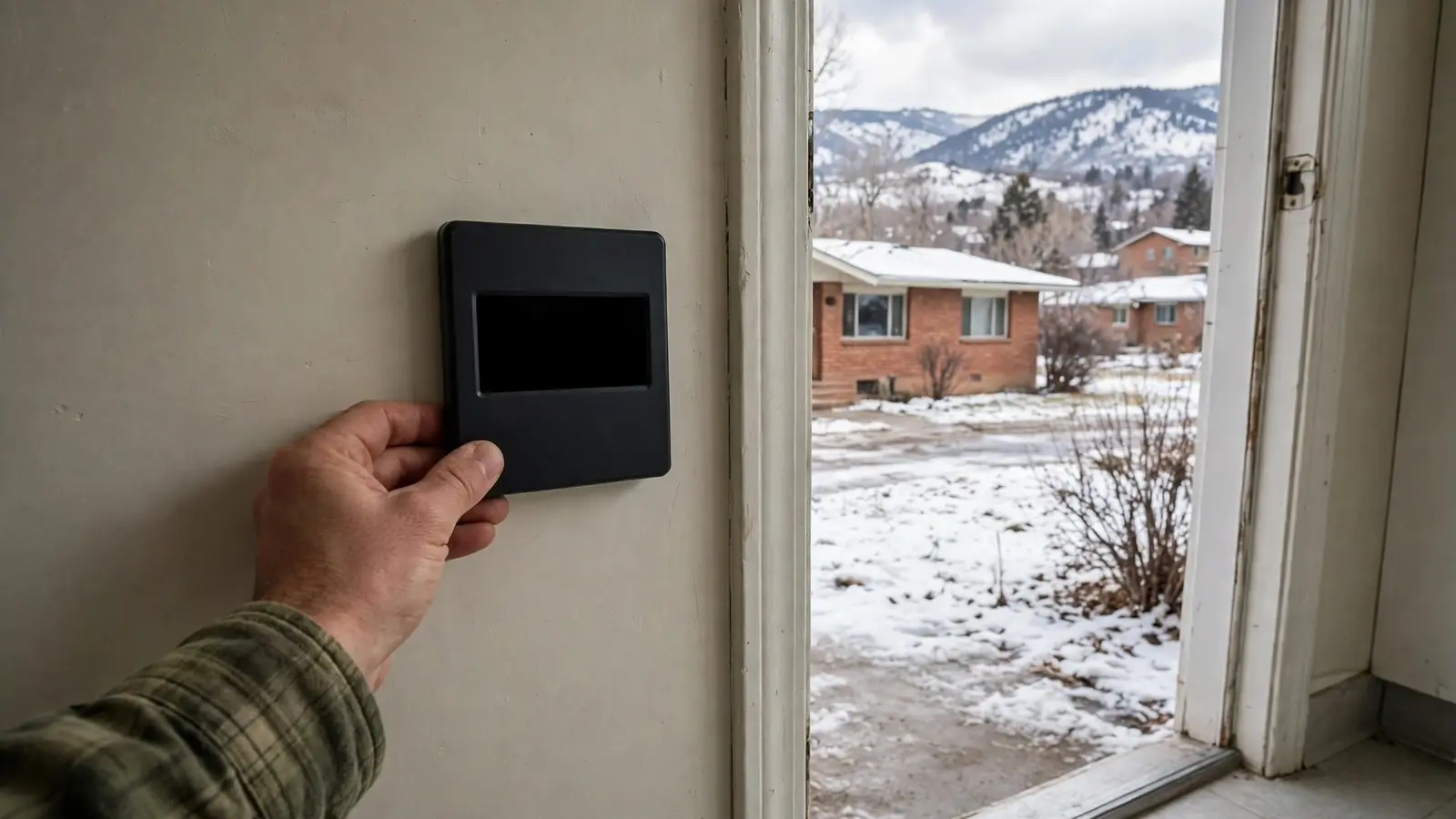
Pinless moisture meter held flat against painted drywall near a bathroom door
Meters confirm moisture that cannot be seen from the room. Illustrative image.

Finding it

How contractors find moisture inside walls

Restoration contractors start with a moisture meter. Pinless meters scan through the surface of drywall and flooring and show relative moisture, which lets the technician map wet areas without making holes. Pin meters measure moisture directly in wood and drywall through two small pins, giving a more precise reading.

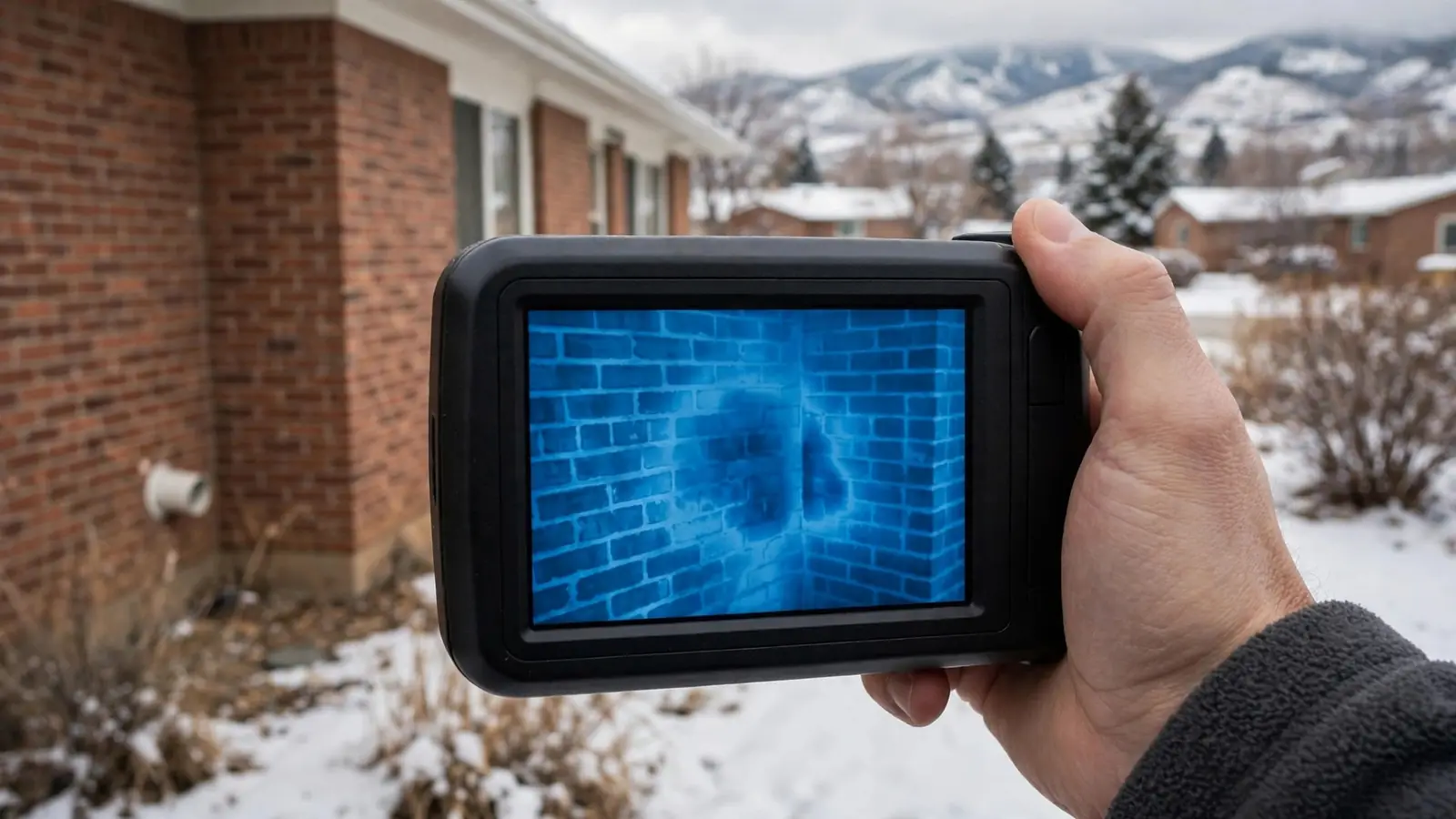
Thermal imaging cameras show surface temperature. Wet materials are often cooler because evaporation draws heat, so a wet area can show up as a cool patch. But temperature differences can also come from drafts, insulation gaps or ducts, so a thermal image is a guide, not proof. Readings with a meter confirm what the camera suggests.

When the readings show where the moisture is, the contractor may cut a small inspection hole or remove baseboard to look inside, then decide how much needs to be opened.

Tools

Tools used to find hidden moisture

What each tells you
ToolWhat it doesLimits
Pinless moisture meterScans surfaces for relative moistureReads a limited depth; affected by metal
Pin moisture meterMeasures moisture directly in wood or drywallLeaves small holes; reads one spot
Thermal cameraShows surface temperature differencesDoes not measure moisture itself
HygrometerMeasures air humidity and temperatureShows conditions, not where water is
Inspection hole or borescopeLets a technician look inside the cavityRequires a small opening

Mold

Hidden moisture and mold

A wall cavity that stays damp is an ideal place for mold. The back of drywall paper, wood studs and dust provide food, and there is little air movement to dry things out. Mold growing inside a wall may not show on the room side at all, but you may smell it. The EPA's guidance is to fix the moisture source first, then clean up or remove moldy materials, and to have larger areas handled by people with the right experience and protection.

If a contractor finds mold when they open a wall, the job changes: the area may need containment and removal of affected materials before drying is finished.

What happens next

What happens once hidden moisture is found

  1. 1

    Fix the source

    A plumber repairs the leaking valve, drain, seal or line.

  2. 2

    Open what is wet

    Drywall and insulation that are soaked or moldy are removed.

  3. 3

    Clean

    Framing is cleaned, and treated if mold was present.

  4. 4

    Dry

    Dehumidifiers and air movers dry the cavity and framing.

  5. 5

    Confirm

    Readings show the materials are back to normal before the wall is closed.

Insurance

Hidden leaks and insurance

Insurance treats long-term leaks differently from sudden ones. Many homeowners policies exclude damage from continuous or repeated seepage over a period of time, or from wear and tear. That means a slow leak behind a shower that has been going for months may not be covered, while a supply line that burst suddenly inside the same wall would be. Report what you find promptly and let the adjuster decide; do not guess. The Colorado Division of Insurance has consumer information if you need help understanding your policy. [3]

Meter test

Checking your water meter for a hidden leak

A simple test can tell you whether water is leaking somewhere in the supply system. Turn off every faucet, appliance and irrigation line in the house. Then look at the water meter, which in many Wheat Ridge homes sits in a pit near the street or in the basement where the line enters. Many meters have a small leak indicator dial that spins when water is flowing. If it moves, or if the reading changes over an hour or two with nothing running, water is leaving the system somewhere.

The test does not show where the leak is, and it will not catch leaks on drain lines, which only carry water when fixtures are used. But it is a quick way to decide whether to call a plumber.

Basements

Hidden moisture in finished basements

Finished basements are a common place for hidden moisture. Foundation walls can seep slowly behind drywall or paneling, especially in spring. Condensation can form on the cold side of insulation. A slow leak at a water heater or a laundry connection can wick under a wall into the next room. Carpet over concrete can stay damp underneath without feeling wet on top.

If a basement room smells musty, check the base of the exterior walls, the carpet edge along those walls, and the area behind furniture pushed against them. A moisture meter or a contractor's visit can confirm what you suspect.

Where to look

Places worth checking a few times a year

  • Under sinksLook for drips, stains or swollen cabinet floors.
  • Around toiletsCheck for soft flooring or staining at the base.
  • Behind the washer and refrigeratorSupply lines and ice maker lines leak here.
  • Basement ceilings below bathroomsStains reveal leaks from above.
  • Exterior basement wallsFeel for damp and look for white mineral deposits.

FAQ

Hidden moisture questions

Can a musty smell mean a leak even if I see no water?

Yes. Smell is often the first sign of moisture inside a wall or under a floor.

Will a contractor need to tear open my wall?

Not always. Meters and thermal imaging narrow it down; small openings may be enough.

Is a thermal camera reading proof of water?

No. It shows temperature. Moisture readings confirm it.

Can I call about a suspected leak?

Yes. Even a suspected hidden leak is worth a call, and calls are connected to an independent contractor at any hour.

Sources and citations

  1. [1]U.S. EPA: Mold cleanup in your home
  2. [2]IICRC S500 Standard for water damage restoration
  3. [3]Colorado Division of Insurance
  4. [4]U.S. EPA: Flood cleanup to protect indoor air quality

Hidden moisture

Smell or stain you cannot explain?

Call and you are connected with an independent local contractor who can talk through finding hidden moisture on that call.

Call nowNumber coming soon
Call NowNumber coming soon