Key facts: Working with your insurance adjuster
- Most policies require prompt notice of a loss and reasonable steps to prevent further damage.
- The cause of water damage decides which coverage applies: sudden leaks, flood, sewer backup and seepage are often treated differently.
- Photos, video, moisture logs and lists of damaged items support a claim.
- Flood damage is covered by flood insurance, such as the National Flood Insurance Program, not standard homeowners policies.
- The Colorado Division of Insurance regulates insurers in the state and publishes consumer guidance.
The process
How a water damage claim usually unfolds
- 1
Report the loss
Call your insurer or agent as soon as you can. Note the claim number and the name of everyone you speak with.
- 2
Mitigate
Take reasonable steps to stop further damage: shut off water, remove standing water, start drying. Keep receipts.
- 3
Document
Photos and video of the source, the water, every affected room and damaged items, before and during cleanup.
- 4
Adjuster contact
An adjuster contacts you, sometimes visits, sometimes handles it remotely using photos and the contractor's reports.
- 5
Scope and estimate
The adjuster prepares a scope of covered damage; the contractor may provide their own scope and reports.
- 6
Review
You review the adjuster's findings and ask about anything that seems missing or wrong.
- 7
Settlement and repair
Covered work is settled under the policy terms, and rebuild proceeds.
Coverage
Why the cause matters so much
Water damage coverage hinges on how the water got there. A sudden, accidental discharge from plumbing or an appliance is commonly covered by a homeowners policy. Water from outside that floods the property is generally excluded and needs flood insurance. Sewer and drain backup is often excluded unless you bought a water backup endorsement. Long-term seepage and leaks that went on for weeks are frequently excluded as maintenance issues. Groundwater seepage through foundations is often excluded too.
That is why the adjuster will ask a lot of questions about the source, and why your photos of the failed pipe, the backed-up drain or the water coming through the window well matter. Keep the failed part if you can, and keep any plumber's report on the cause.
Coverage
Common causes and the coverage that usually responds
| Cause | Usually handled by |
|---|---|
| Burst supply pipe | Homeowners policy, if sudden and accidental |
| Washing machine hose failure | Homeowners policy, if sudden |
| Sewer backup through a floor drain | Water backup endorsement |
| Storm runoff or creek flood | Flood insurance |
| Slow leak over months | Often excluded |
| Groundwater seepage | Often excluded |
Records
What to document and keep
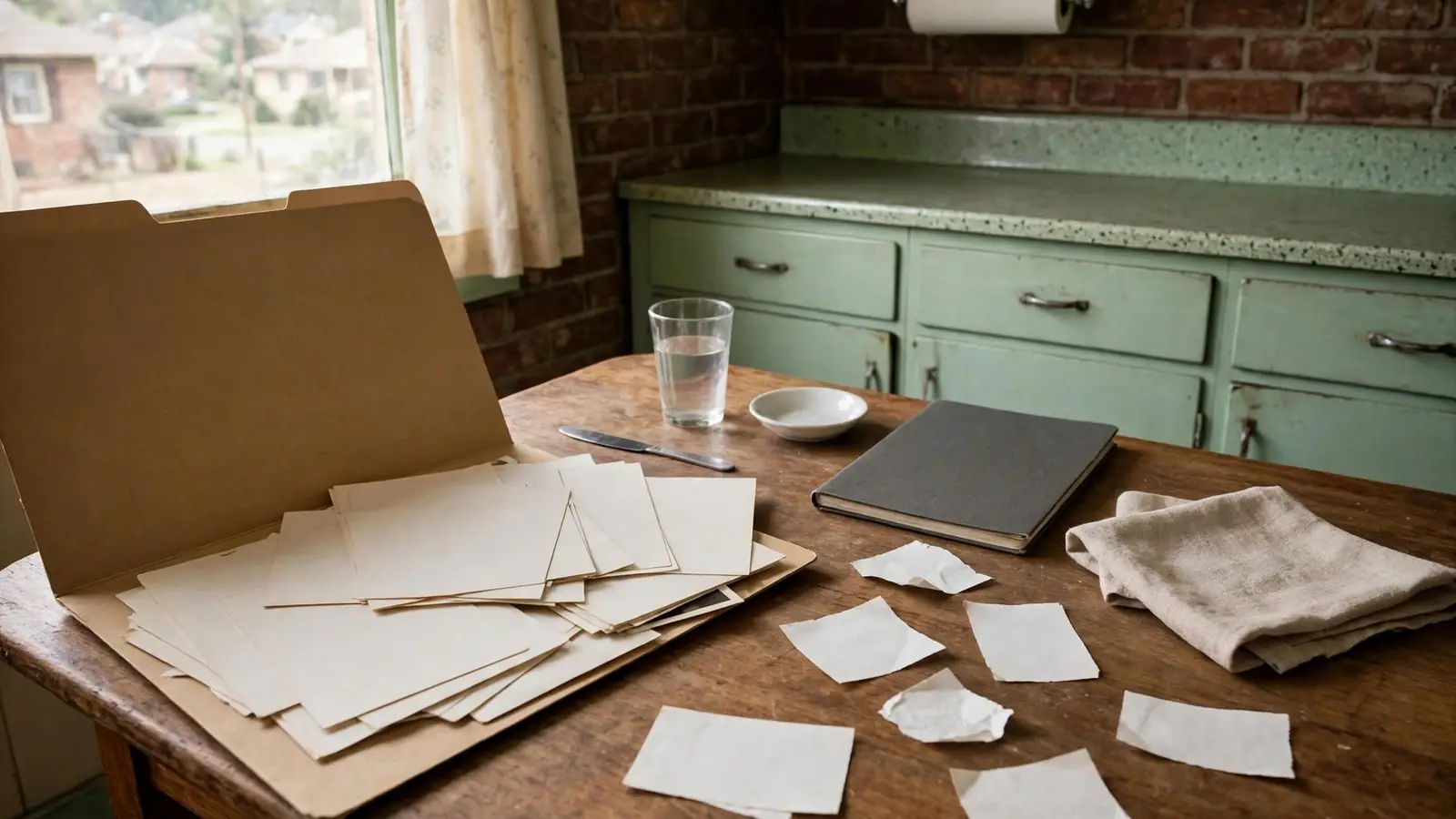
Start a folder, paper or digital, on day one. Put in it: photos and video of the damage before anything is moved; photos of every damaged item with something for scale; a list of damaged belongings with descriptions, rough ages and where they were; receipts for anything you buy for mitigation, such as a wet-dry vacuum, fans or temporary lodging; the contractor's moisture readings, drying logs and invoices; and notes of every conversation with the insurer.
Do not throw away damaged items until the adjuster says it is all right, unless they are a health hazard; in that case photograph them first and keep a small sample if practical, such as a piece of carpet.
Contractors
How your contractor fits in
You choose who does the work. Your insurer may suggest contractors from a preferred list, but in general you are not required to use them. A restoration contractor will usually document the loss in detail, with moisture maps, photos and drying logs, which helps the adjuster understand what was done and why. Read any agreement before signing, and be cautious about signing over insurance proceeds or claim rights without understanding what that means.
Disagreements
If you disagree with the adjuster
If the adjuster's scope seems to leave out damage you can see, ask for an explanation in writing and provide your own evidence: photos, readings and the contractor's report. Many disagreements are resolved by a re-inspection or additional documentation. Your policy may also describe an appraisal process for disputes about the amount of loss.
If you believe your claim is being handled unfairly, the Colorado Division of Insurance accepts consumer complaints and publishes guidance on claims. [1] For complex disputes, some homeowners consult an attorney or a public adjuster.
The visit
Preparing for the adjuster's visit
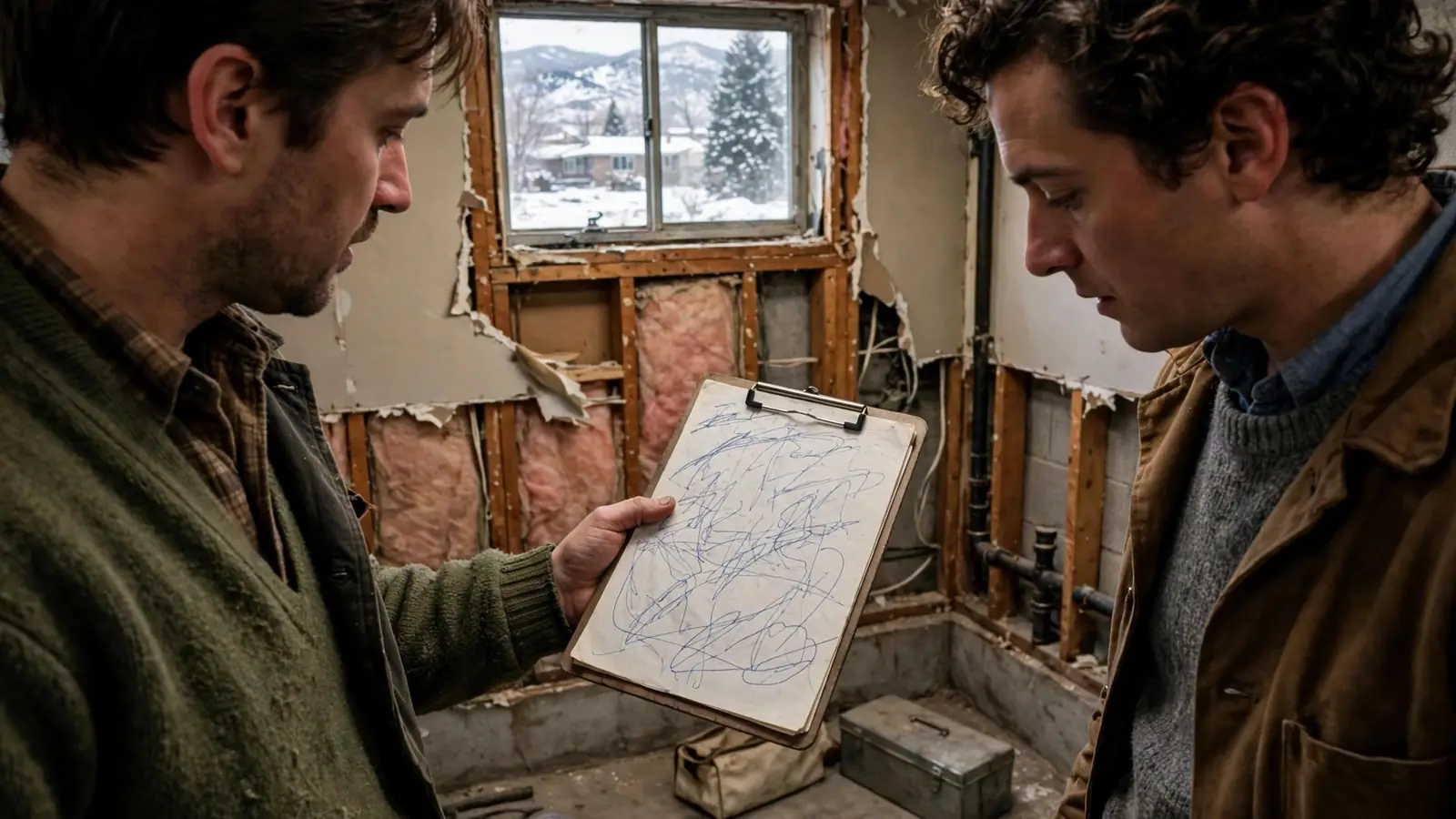
If the adjuster visits, be there and walk them through what happened in order: when you noticed the water, where it came from, what you did, and what the contractor has done since. Show them the source, the affected rooms and the damaged items you set aside. Have your folder ready with photos from before cleanup, the contractor's readings and your list of belongings.
Ask the adjuster what happens next, when you can expect their findings, and whether they need anything else from you. Write down their answers. If something is unclear, ask them to put it in an email so you have it in writing.
Additional living expenses
If you cannot stay in your home
Some losses make a home temporarily unlivable: a sewer backup in the only bathroom, a kitchen that has been torn out, or extensive demolition with dust and noise. Many homeowners policies include coverage for additional living expenses or loss of use when a covered loss makes the home unfit to live in. Ask your adjuster whether that applies and what records they need, and keep receipts for lodging and meals. Renters insurance often has similar coverage for tenants.
Common mistakes
Mistakes that make claims harder
- Throwing items away before photographing themWithout evidence, it is hard to show what was lost.
- Waiting to reportDelays can raise questions about whether damage grew because of the wait.
- Painting over stains before the adjuster sees themLeave evidence in place until it is documented.
- Not keeping the failed partA burst hose or cracked fitting shows the cause clearly.
- Relying on memory for conversationsWrite down who said what and when.
Timeline
How long claims take
Simple water claims are often resolved within a few weeks, while larger losses with rebuild work, contents and living expenses can take longer. Colorado has rules on how promptly insurers must respond to claims; the Division of Insurance publishes information on them. Keeping your documentation organized and answering the adjuster's requests quickly is the best way to keep things moving.
FAQ
Insurance adjuster questions
Should I wait for the adjuster before cleaning up?
No. Document first, then take reasonable steps to prevent further damage. Most policies expect you to mitigate.
Do I have to use the insurer's contractor?
Generally no. You can choose your own contractor.
Does a standard home policy include flood?
Usually not. Flood insurance is a separate policy.
Can I get help with the water right now?
Yes. Getting mitigation started is often the first thing an insurer expects, and calls are connected around the clock.